


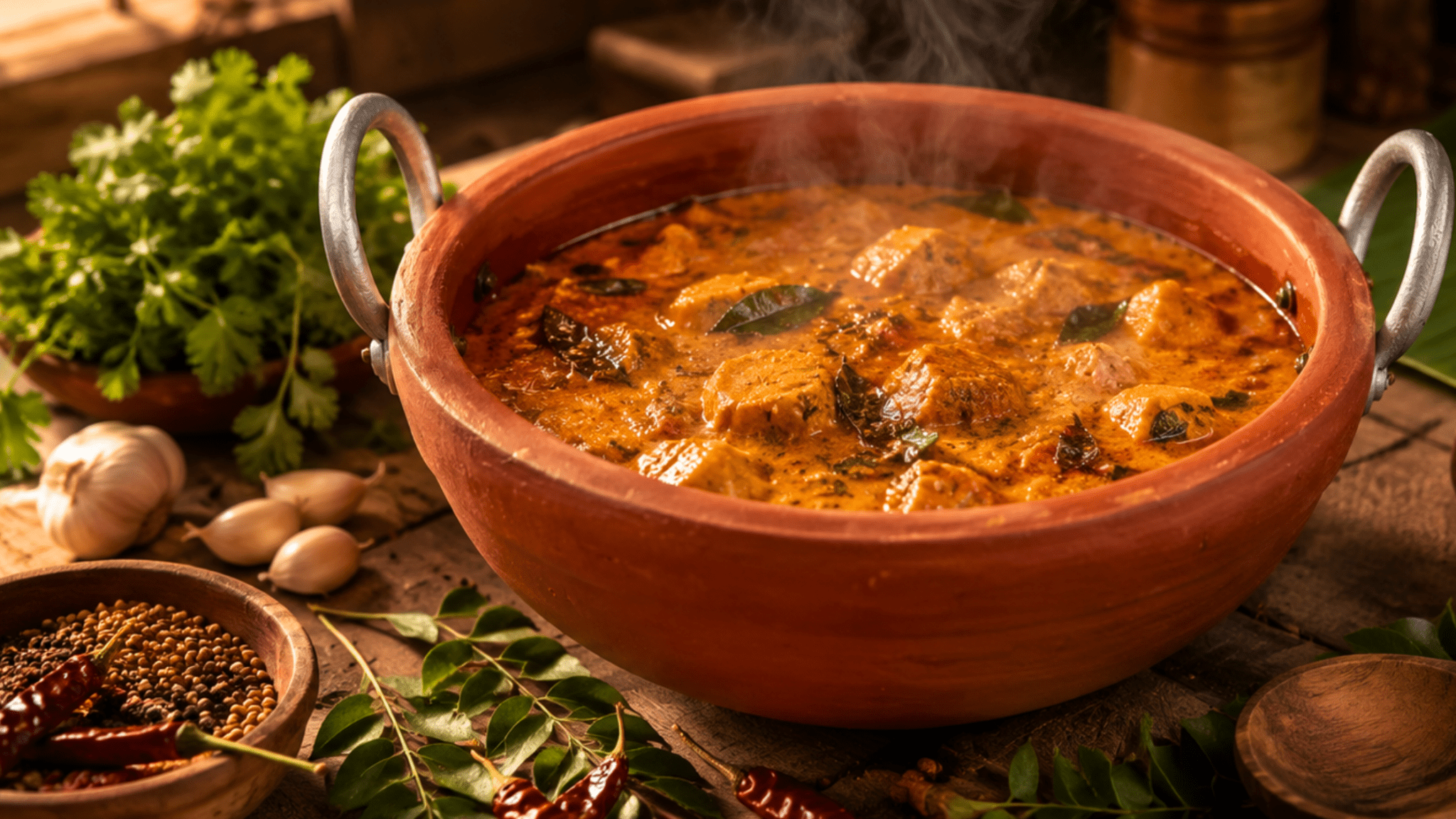
Clay cookware is making a comeback in Indian kitchens — and for good reason. Terracotta pots and kadais were once the standard in every Indian home before aluminium and steel took over in the mid-20th century. Today, as more families look for healthier, chemical-free cooking, clay is reclaiming its place.


Here are 7 evidence-backed reasons to make the switch.
1. Clay Cookware Adds Natural Minerals to Your Food

Clay is naturally rich in iron, calcium, magnesium, phosphorus, and sulphur. When food cooks in a clay pot, trace amounts of these minerals leach into the food — adding nutritional value that no metal vessel can offer.
This is especially beneficial when cooking dal, sambar, and rice-based dishes that absorb liquid during cooking.
2. It Cooks at a Lower Temperature — Preserving More Nutrients
Clay has low thermal conductivity, meaning it heats slowly and evenly.  This gentle, even heat preserves heat-sensitive vitamins like B-complex and C that are destroyed by the high heat of pressure cooking or metal cookware. Slow, even cooking is also why biryani made in a clay handi tastes different from the same recipe made in a steel pot — the gradual heat creates a different flavour and texture.
3. The Porous Surface Keeps Food Naturally Moist
Clay is porous, which means it allows moisture to circulate within the pot during cooking. This self-basting effect keeps curries, dals, and stews naturally moist and flavourful without adding extra oil or water.
The same porosity also keeps drinking water cool — a clay pot (matka) can drop water temperature by 10–15°C naturally, without refrigeration.
4. Clay Is Alkaline — It Neutralises Acidity in Food
Clay has a naturally alkaline pH. When acidic ingredients like tomatoes, tamarind, or lemon cook in a clay pot, the alkalinity of the clay partially neutralises the acid, making the food gentler on the stomach.
This is one reason traditional South Indian fish curry (Meen Kulambu) cooked in a clay pot is considered easier to digest than the same dish made in a steel pan.
5. No Synthetic Coatings or Chemicals
Non-stick pans use PTFE (Teflon) coatings that can degrade at high temperatures, releasing compounds linked to health concerns. Aluminium cookware reacts with acidic foods. Anodised steel may contain trace coatings.
Clay cookware has none of this. It's pure, unglazed natural stone, fired at high temperatures. The only thing touching your food is earth.
6. The Flavour Is Simply Better
 Ask any experienced cook and they'll tell you: fish curry from a clay pot tastes different. Biryani from a clay handi has a distinct aroma. Dal cooked in a Paruppu Satti has an earthiness that steel cannot replicate.
This isn't nostalgia — it's chemistry. The porous clay walls absorb and release flavour compounds during cooking, creating depth that metal cookware cannot achieve.
7. It Is Genuinely Sustainable
Clay cookware is made from natural earth, fired in kilns using low-impact methods, and is fully biodegradable at end of life. It requires no mining of metals, no synthetic coatings, and no industrial processing.
When you choose clay cookware, you're also supporting traditional artisan communities — potters and craftspeople who have practiced this skill for generations.
How to Get Started with Clay Cookware
If you're new to clay cooking, start with one piece — a clay serving pot or a small kadai. Use it to cook simple dal or serve curries, and notice the difference.
Before first use, a new clay pot must be seasoned — soaked in water for 15 minutes, then heated on low flame with water or rice water to seal the pores. Our full guide on how to season a clay pot walks you through every step.


Twin Palmyra stocks a full range of handmade terracotta clay cookware — kadais, biryani pots, dhal pots, and serving vessels — in both black and brown clay. Explore the Premium Clay Utensils collection at twinpalmyra.com.